
Introduction
As we transition into a new era of education in 2026, the landscape of studying continues to evolve rapidly. With advancements in technology and shifts in learning paradigms, students must equip themselves with a range of skills that extend beyond traditional study methods. This article explores essential skills that can greatly enhance academic performance in today’s complex educational environment.
Understanding the Modern Study Environment
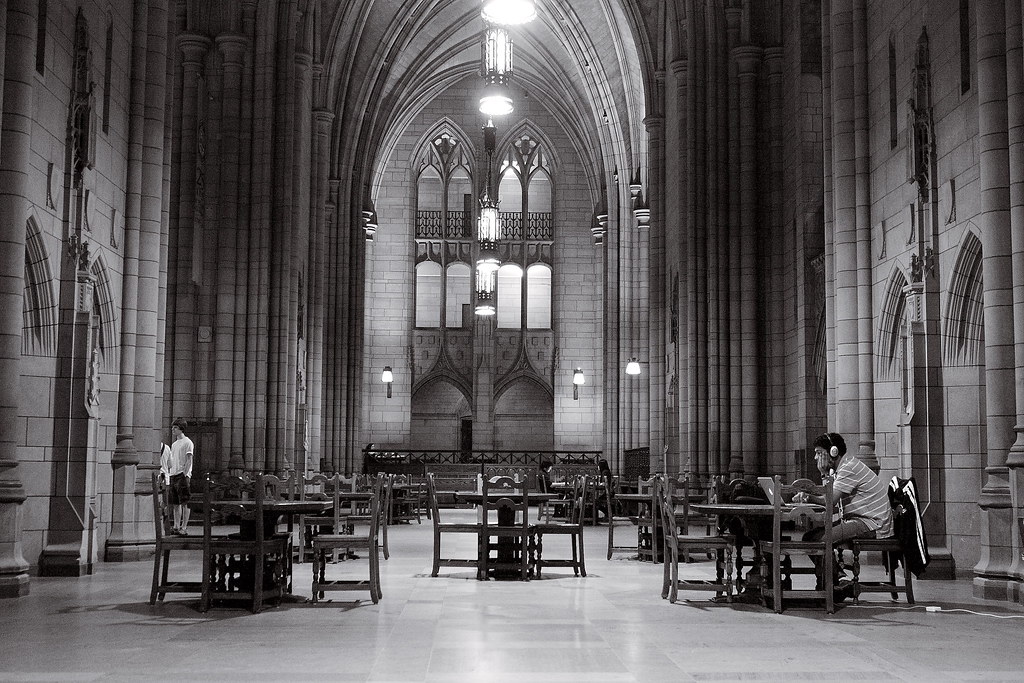
The modern study environment is characterized by a blend of digital resources, collaborative platforms, and personalized learning experiences. Students are no longer confined to textbooks and classroom lectures; instead, they have a wealth of information at their fingertips. This shift requires a new set of skills to navigate effectively.
Digital Literacy
Digital literacy has become a fundamental skill for students. In 2026, being able to effectively search for, evaluate, and utilize digital information is crucial. Here are some key aspects:
- Research Skills: Knowing how to find credible sources online is essential. Students should be trained to differentiate between peer-reviewed articles and unreliable content.
- Data Analysis: Understanding how to interpret data and use analytical tools will become increasingly valuable, especially in research-based assignments.
- Content Creation: Students should be able to create engaging presentations, reports, and online content that reflect their understanding of the material.
Critical Thinking
In an age of information overload, critical thinking has never been more important. Students must learn to:
- Question Assumptions: Encourage curiosity and skepticism towards information received from various sources.
- Analyze Arguments: Break down arguments and identify logical fallacies or biases.
- Make Informed Decisions: Use critical thinking skills to evaluate the best courses of action based on available information.
Time Management
Effective time management is a vital skill for academic success. In 2026, students face competing priorities, including academic deadlines, extracurricular activities, and personal commitments. Here are strategies to enhance time management:
- Prioritize Tasks: Use tools like to-do lists or digital planners to determine what needs urgent attention.
- Set Realistic Goals: Establish achievable short-term and long-term goals to maintain motivation and track progress.
- Utilize Time Blocks: Implement techniques such as the Pomodoro Technique to maintain focus during study sessions.
The Importance of Collaboration
Collaboration has emerged as a pivotal skill in academic settings. In 2026, students will benefit immensely from developing their abilities to work effectively in teams. Here’s how collaboration enhances learning:
- Sharing Diverse Perspectives: Collaborative learning allows students to engage with peers, fostering a richer understanding of various topics.
- Building Communication Skills: Working in groups helps students articulate their thoughts clearly and listen actively.
- Enhancing Problem-Solving: Collaborating on projects can help students develop innovative solutions through brainstorming and teamwork.
Online Collaboration Tools
Familiarity with online tools such as Google Workspace, Microsoft Teams, and Zoom is essential for collaborative efforts in the modern educational landscape. Mastering these platforms will facilitate effective group work and communication.
Adaptive Learning Techniques
Embracing adaptive learning techniques is another essential skill for students today. The ability to adjust study methods based on personal progress and challenges can significantly impact academic success:
- Self-Assessment: Regularly evaluating one’s understanding and identifying areas needing improvement leads to more targeted study sessions.
- Flexible Learning Paths: Students should be encouraged to explore multiple resources and approaches for mastering a subject, adapting their learning style as necessary.
- Seeking Feedback: Actively seeking feedback from peers and instructors can provide valuable insights and guide improvement.
Conclusion
As we navigate the complexities of the academic world in 2026, it is evident that the skills required for success extend beyond traditional rote learning. By focusing on digital literacy, critical thinking, time management, collaboration, and adaptive learning techniques, students can thrive in this evolving environment. Embracing these skills not only prepares students for academic excellence but also equips them for lifelong learning and adaptability in the workplace of the future.