
Introduction
In 2026, the way we study has evolved, but one fundamental element remains essential: the study environment. The space where you choose to learn can significantly impact your focus, motivation, and retention of information. In this article, we will explore how to create the perfect study environment tailored to your needs and preferences.
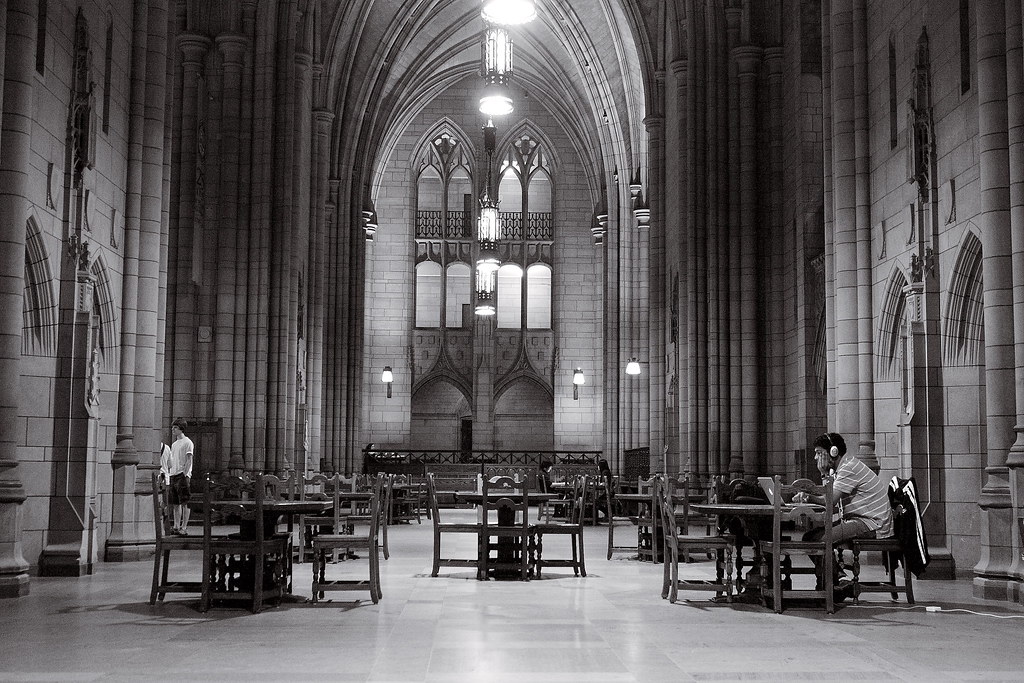
Understanding Environmental Psychology
Environmental psychology studies the interplay between individuals and their surroundings. According to recent research, the colors, layouts, and even sounds of a learning environment can affect cognitive functions and emotional states. By taking these insights into account, you can create a space that boosts your productivity and enhances your study experience.
Key Elements of a Study Environment
- Lighting: Natural light is optimal for maintaining energy levels and focus. If possible, position your study area near a window. If not, consider using warm LED lights to mimic natural sunlight.
- Furniture: Invest in ergonomic furniture that supports healthy posture. A comfortable chair and a functional desk can prevent fatigue and discomfort during long study sessions.
- Color Scheme: Colors can influence your mood and concentration. Blues and greens are often associated with calmness and productivity, while bright colors can stimulate creativity.
- Noise Level: Some people thrive in silence, while others prefer background noise. Experiment with various soundscapes, from white noise to music, to determine what works best for you.
- Personalization: Decorate your space with items that inspire you, whether it’s artwork, plants, or motivational quotes. Personal touches can make your study environment more inviting.
Zones for Different Study Activities
Creating distinct zones within your study space can help delineate different types of learning activities. Here are some suggestions:
1. The Quiet Zone
This area is dedicated to reading, note-taking, and deep concentration. Ensure it is free from distractions, with minimal clutter and a comfortable chair to encourage extended focus.
2. The Collaborative Zone
If you study with others, create a space for group discussions and teamwork. A large table and comfortable seating can facilitate brainstorming sessions and collaborative work.
3. The Creative Zone
This zone is for those moments when you need to think outside the box. Incorporate whiteboards or large sheets of paper for sketching ideas, and keep art supplies handy for inspiration.
Incorporating Technology Wisely
In 2026, technology continues to play a pivotal role in the study environment. While it can enhance learning, it’s essential to use it wisely to avoid distractions.
Smart Devices
Consider using smart devices that can help you stay organized, such as:
- Smart Planners: Applications that sync your study schedule and deadlines can keep you on track.
- Noise-Canceling Headphones: These can help you concentrate in noisy environments, allowing for better focus.
- Digital Notebooks: Tools like tablets can help organize your notes and allow for easy access across devices.
Setting Digital Boundaries
While technology can aid in your studies, set boundaries to minimize distractions. Consider:
- App Blockers: Use apps that limit your access to distracting websites during study time.
- Scheduled Breaks: Implement the Pomodoro technique to balance focused study with regular breaks, allowing you to recharge without falling into the distraction trap.
Reflecting and Adapting Your Space
As you progress through your studies, regularly reflect on the effectiveness of your environment. Are you consistently productive? Do you feel comfortable? Make adjustments as needed to ensure your space continues to support your learning goals.
Feedback Loop
Engage in a feedback loop with yourself. Evaluate your productivity weekly and adjust your environment based on what’s working and what isn’t. This continuous improvement approach will help you stay aligned with your study objectives.
Conclusion
In the dynamic landscape of studying in 2026, creating a conducive study environment is vital. By understanding environmental psychology, using technology wisely, and continuously adapting your space, you can enhance your learning experience significantly. Remember, your study environment is a reflection of your goals; make it a space that inspires and motivates you to achieve success.